Axía Resources looks to the future of copper and announces BRL 40 million R&D&I center in Goiás
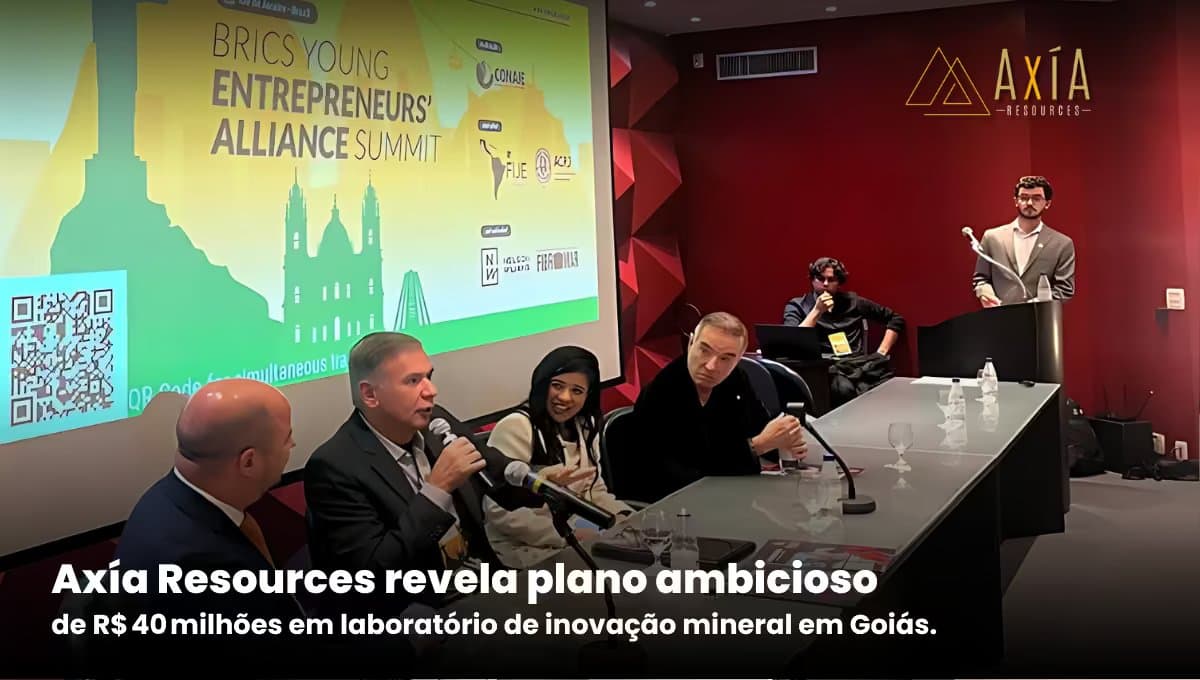
During a BRICS side summit in Rio, Axía Resources unveiled an ambitious BRL 40 million plan for a mineral innovation laboratory in Goiás. The company's executive championed copper's “conductive power” in the transition to clean energy.
Participation in BRICS Youth
Axía Resources' executive director, Leonardo Prudente, took part in a panel on innovation and the energy transition during BRICS Youth, an event held in Rio de Janeiro alongside the BRICS heads of state summit. Alongside businessman Eike Batista, Prudente highlighted the strategic role of copper in the sustainable future of mining and detailed Axía Resources' initiatives in research and in the use of technologies applied to the discovery of mineral deposits.
R&D center in Goiás
During the talk, Prudente announced that Axía will set up a Research and Development Center at the Samambaia technology park of the Federal University of Goiás (UFG), with an estimated investment of BRL 40 million in areas such as petrophysics, geochemistry, machine learning and mineralogical characterization to support the discovery of minerals essential to the energy transition.
The role of copper in the energy transition
In his presentation, Leonardo Prudente highlighted Axía's work on projects focused on the energy transition. The company has prioritized developing areas with potential for copper and rare earths, as well as gold.
“Copper stands out as one of the most important (minerals) for ensuring the success of the energy transition and the continuity of global economic growth. It is essential for electrical conduction in cables, motors, transformers, electric vehicles and renewable generation systems,” said Prudente.
According to the studies cited, global copper consumption could exceed 50 million tonnes per year by 2050, driven by the electrification of transportation and the expansion of renewable energy. Prudente warns, however, of the challenges this growth poses: long lead times for opening new mines and greater environmental and social requirements.
LATIM laboratory at UFG
During the panel, Prudente revealed one of the company's main announcements: the construction of the Mineral Technology and Innovation Laboratory (LATIM) at the Samambaia technology park of the Federal University of Goiás. The facility will be dedicated to chemical and petrophysical analyses and mineralogical characterization. Axía was granted the land through a public call.
The investment will be approximately BRL 40 million. Prudente highlighted that the partnership with UFG is strategic because it brings together applied research and technical excellence — key elements for the future of mining. He stresses that integration with academia has been one of the company's differentiators.
Axía already has agreements with the University of Brasília (UnB), responsible for acquiring and interpreting geophysical data, and with UFG itself, which works on geochemistry and geostatistical supervision of the projects. In addition, recent project management graduates linked to UERJ expressed interest in collaborating with Axía during the summit.
Young entrepreneurs on the panel
The “Innovation and Energy Transition” panel brought together young entrepreneurs from countries such as Brazil, India, South Africa and Indonesia. Alongside Eike Batista, geologist Leonardo Prudente drew the audience's attention as he presented Axía Resources' track record and its technological approach.
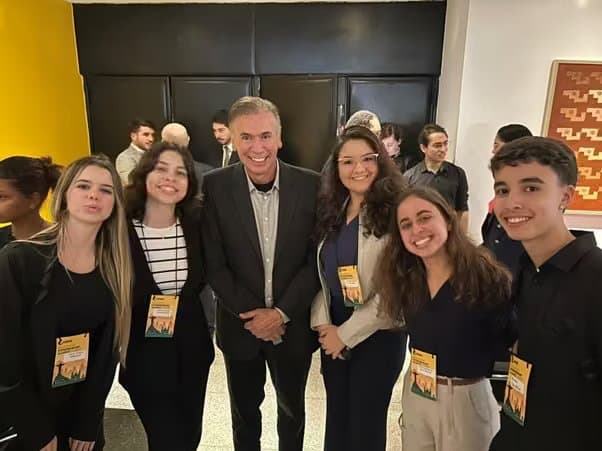
“The interest was enormous. After the panel, many people came over to talk, take photos and ask for our website address. It was an incredibly rich exchange that exceeded all expectations,” said the geologist. The company also showed an institutional video highlighting its integrated research, planning and management methods — including systems such as MS Project, MX Deposit and Microsoft Power BI.
Related news
 News
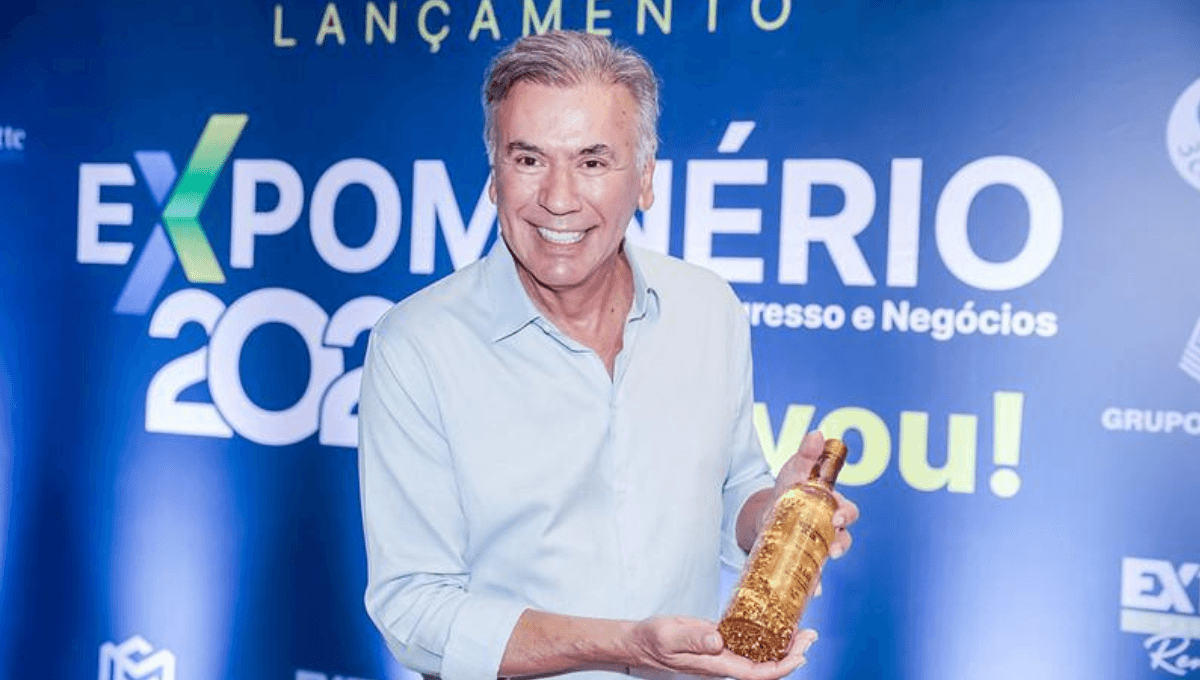
Axía Resources takes part in the Expominério 2026 launch and strengthens strategic connections for its gold project in Goiás
The company was among the guests at the event, which brought together more than 300 representatives of the mineral sector in Mato Grosso. Its participation reinforces the strategy of building ties with suppliers and partners for the future gold operation in Niquelândia (Goiás).
 News
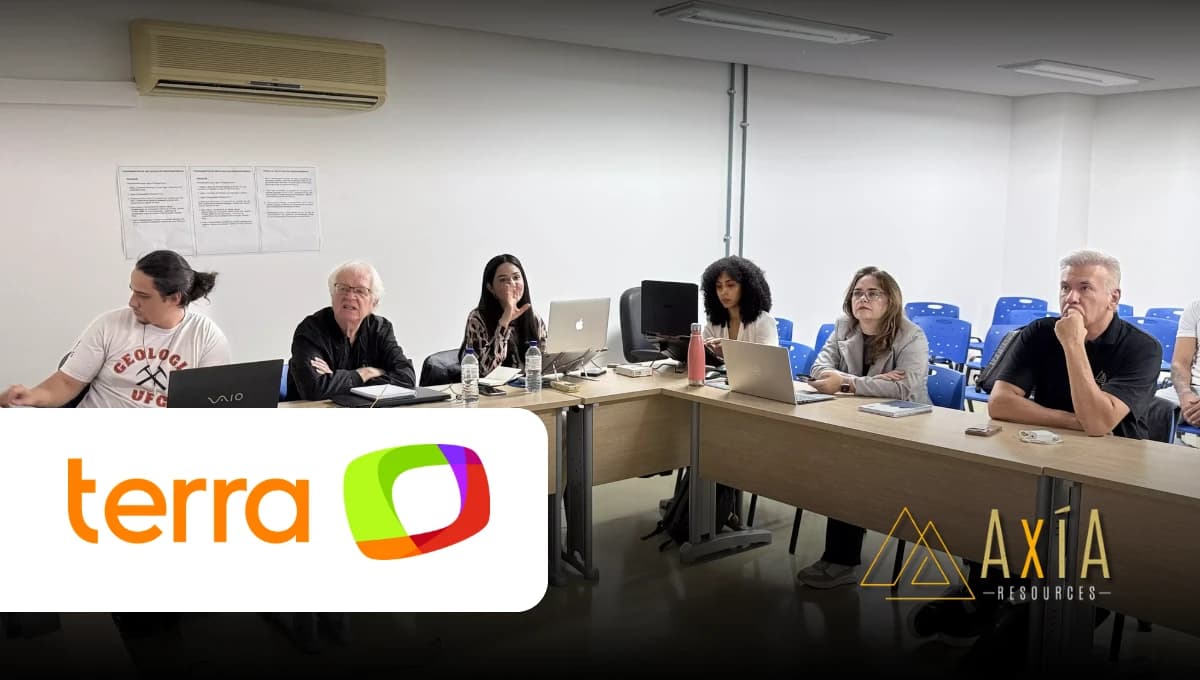
Bom Jardim Project: AXÍA Resources presents progress in copper exploration in Goiás
. AXÍA Resources presented the latest results of the research carried out at the Bom Jardim Project, a copper deposit located in the municipality of Bom Jardim de Goiás (Goiás), during a workshop held at the Institute of Geosciences of the University of Brasília (UnB). The meeting brought together researchers from the University of Brasília, the […]
 News
Axía Resources brings experts together at the University of Brasília to present technical progress on the BJG 2026 Project through a workshop
. On June 22, AXÍA Resources took part in a technical meeting at the University of Brasília (UnB) to present progress on the Bom Jardim Project. The initiative is the result of the partnership between AXÍA and the university, focused on developing innovative solutions for mineral research […]