Project: Geophysical Prospective Vectors Applied to the Characterization of Polymetallic Mineralizations

Focused on geophysics applied to mineral prospecting, the project “Geophysical Prospective Vectors Applied to the Characterization of Polymetallic Mineralizations” seeks to boost mineral exploration in Bom Jardim de Goiás and in strategic regions of the states of Goiás and Tocantins, combining scientific rigor, data integration and ESG commitment.
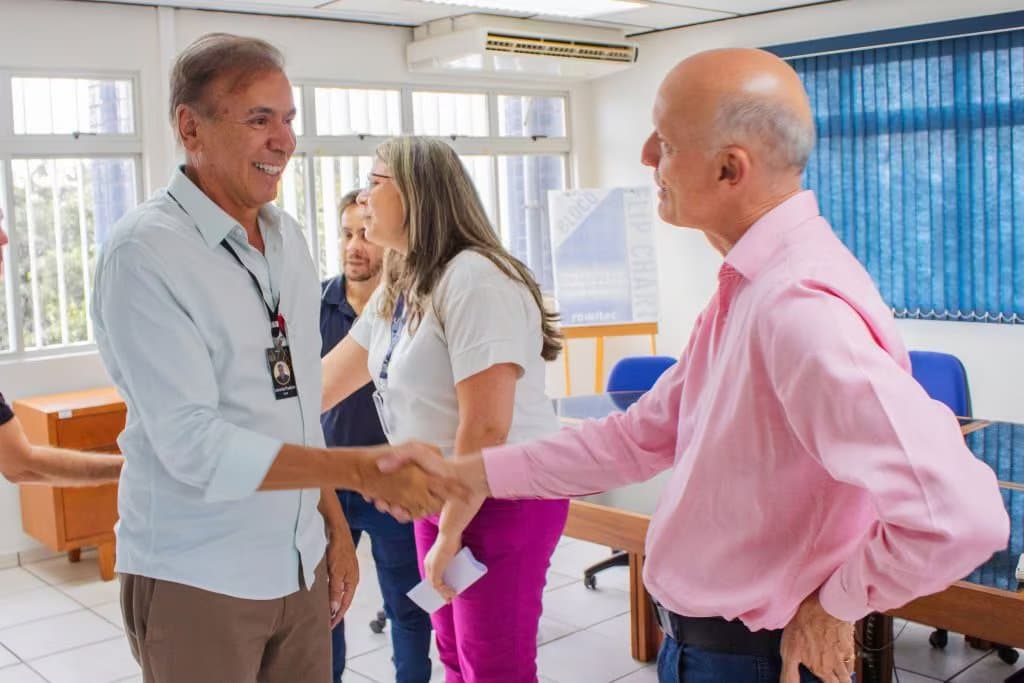
On January 27, Finatec hosted a technical alignment meeting for the project, whose scope is to develop and apply high-resolution geophysical methodologies to improve the characterization of polymetallic mineralizations (copper–gold–lead–zinc) and contribute to the definition of a robust prospective model for the region.
Context: critical minerals and the energy transition
Metallic minerals are essential to the global energy transition: they are part of the supply chains for renewable energy, power infrastructure, electric vehicles and storage. However, growing demand has outpaced the discovery of new deposits, and projected production capacity — notably for copper — is still insufficient to keep up with the pace of electrification. This challenge calls for innovative solutions in prospecting and mineral exploration.
Scientific objectives and expected contribution
The project aims to generate technical knowledge about the polymetallic occurrences in Bom Jardim de Goiás and expand the evidence base in the states of Goiás and Tocantins through an integrated package of geophysical methods and their correlation with geochemistry, geological mapping and drilling. The expectation is to increase the accuracy of target prioritization and support sustainable mining, with an emphasis on environmental preservation and restoration and measurable social benefits.
Methodology: geophysical prospective vectors
The approach involves defining prospective vectors based on the characteristic geophysical responses of the target mineralizations, integrating high-resolution data, stratigraphic and structural interpretation and 2D/3D modeling. This methodological framework speeds up decision-making, reduces uncertainty and improves efficiency in the allocation of field resources.
Governance, research and cooperation
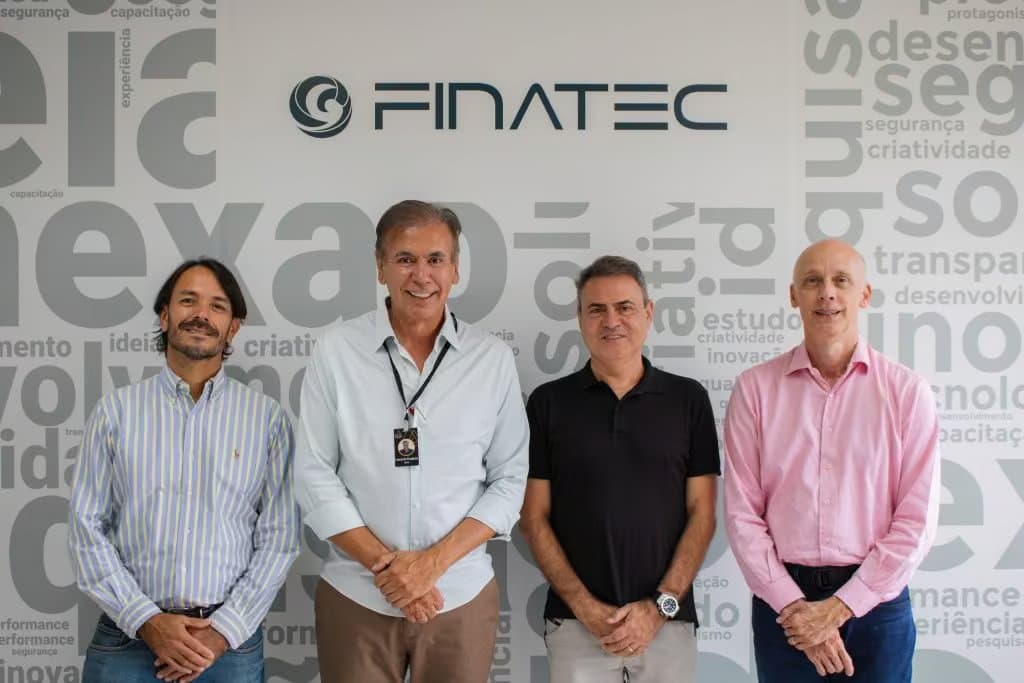
The meeting was attended by Prof. Dr. Marcelo Leão Santos (project coordinator), Prof. Augusto Brasil and representatives of Axía Resources, including André Luís Lemos (President) and Leonardo Prudente (Executive Director). The technical and scientific governance combines integrated planning, data quality control and transparency in results.
Regional and national relevance
Given the scarcity of studies in the area and the importance of strategic minerals for Brazil's sustainable development, the initiative has the potential to become a methodological benchmark in geophysics applied to mineral prospecting in Brazil's Central-West region, contributing to the responsible discovery of new resources and to strengthening production chains.
ESG: best practices and social and environmental responsibility
The project incorporates sound management practices and ESG guidelines: licensing processes in regulatory compliance, environmental monitoring, safety and occupational health. On the social side, it emphasizes shared value creation and closeness to communities, prioritizing training and local socioeconomic benefits.
Next steps
The next phase focuses on conducting geophysical surveys, integration with geochemistry and detailed mapping, validation of the prospective vectors and prioritization of drilling targets. The results will be consolidated into geological models and technical reports that will guide future decisions.
More information
Read more on the FINATEC website
This content is based on a press publication about the company's activities. For reference, see the original article: FULL ARTICLE (in Portuguese).
Conclusion: science and geophysics in the service of responsible prospecting
By bringing together science, applied geophysics and governance, the project “Geophysical Prospective Vectors Applied to the Characterization of Polymetallic Mineralizations” advances geophysics applied to mineral prospecting in Bom Jardim de Goiás, Goiás and Tocantins, promoting a path of responsible discovery aligned with the country's energy transition and sustainable development goals.
Related news
 News
Axía Resources takes part in the Expominério 2026 launch and strengthens strategic connections for its gold project in Goiás
The company was among the guests at the event, which brought together more than 300 representatives of the mineral sector in Mato Grosso. Its participation reinforces the strategy of building ties with suppliers and partners for the future gold operation in Niquelândia (Goiás).
 News
Bom Jardim Project: AXÍA Resources presents progress in copper exploration in Goiás
. AXÍA Resources presented the latest results of the research carried out at the Bom Jardim Project, a copper deposit located in the municipality of Bom Jardim de Goiás (Goiás), during a workshop held at the Institute of Geosciences of the University of Brasília (UnB). The meeting brought together researchers from the University of Brasília, the […]
 News
Axía Resources brings experts together at the University of Brasília to present technical progress on the BJG 2026 Project through a workshop
. On June 22, AXÍA Resources took part in a technical meeting at the University of Brasília (UnB) to present progress on the Bom Jardim Project. The initiative is the result of the partnership between AXÍA and the university, focused on developing innovative solutions for mineral research […]