Technical governance dominates debates at PDAC 2026
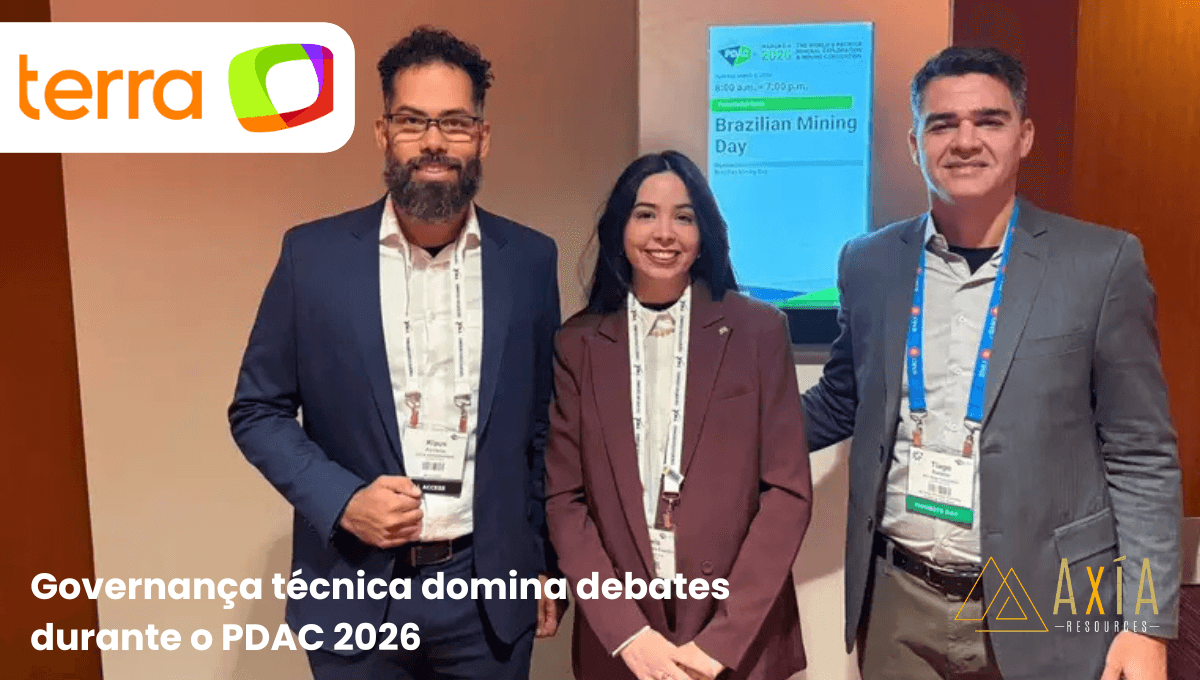
Brazil's Axía Mineração attended the event, considered the world's largest for mineral exploration, which brought together more than 32,000 participants.
Photo credit: Isabela Araújo/Axía Mineração
In March 2026, Toronto hosted another edition of the Prospectors & Developers Association of Canada (PDAC) Convention. The event, considered the world's largest for mining and mineral exploration, brought together more than 32,000 participants, including companies, investors and industry experts. The convention has established itself as a strategic venue for networking, deal-making and debate on the direction of the industry.
Over four days, hundreds of speakers discussed the opportunities and challenges shaping mineral exploration and project development in the sector. The backdrop was marked by renewed investment and stronger growth prospects for mining in the coming years.
A Data Bridge Market Research study projects that the global market will reach US$767.49 billion by 2032, driven by demand for base metals such as copper, aluminum, nickel and zinc, as well as rapid industrialization and infrastructure expansion in the automotive and electrical sectors.
Axía Mineração, a Brazilian company specializing in exploration for strategic metals, took part in the convention. According to Leonardo Prudente, the company's executive director, discussions at the event pointed to trends that are expected to directly affect the sector in the coming years. Key topics included governance, process standardization, traceability of geological data and technical communication aligned with international standards such as NI 43-101 and JORC.
According to the executive, investors and partners are increasingly attentive to companies' ability to structure projects with clear processes, transparency and technical control from the outset. He also highlighted the growing interest in copper and gold, especially in large-scale projects, as well as in other strategic minerals such as lithium, nickel, graphite and rare earths, which are essential to clean energy technologies and the battery industry.
Competitive potential on Brazilian soil
Axía Mineração says it is keeping pace with the return of investment by acquiring strategic assets, such as the copper deposit in Bom Jardim de Goiás, and expanding exploration in states with high geological potential, such as Goiás and Tocantins. The company reports that it has been investing in drilling and technical studies, prioritizing projects with the greatest economic potential and a focus on minerals linked to the new economy, such as clean energy, and gold.
Leonardo Prudente also highlights the technical quality of Brazilian mineral projects as a competitive advantage on the global stage. According to him, Brazil combines a diverse and underexplored geological base, a qualified technical workforce and robust, reliable data. The growing use of advanced exploration technologies would further strengthen this advantage.
Despite this potential, the executive acknowledges obstacles that still limit the sector, such as bureaucracy in environmental licensing, regulatory uncertainty in some regions and limited logistics infrastructure. On the other hand, he points to the availability of strategic mineral resources, relatively competitive operating costs and an environment favorable to mining geared toward the energy transition.
The company expects to advance exploration projects to the operating stage, especially its gold and copper fronts in Goiás. The appreciation of strategic mineral assets, driven by global demand, should also open the way for new partnerships and investment.
Learn more: Governança técnica domina debates durante o PDAC 2026 (in Portuguese)
Related news
 News
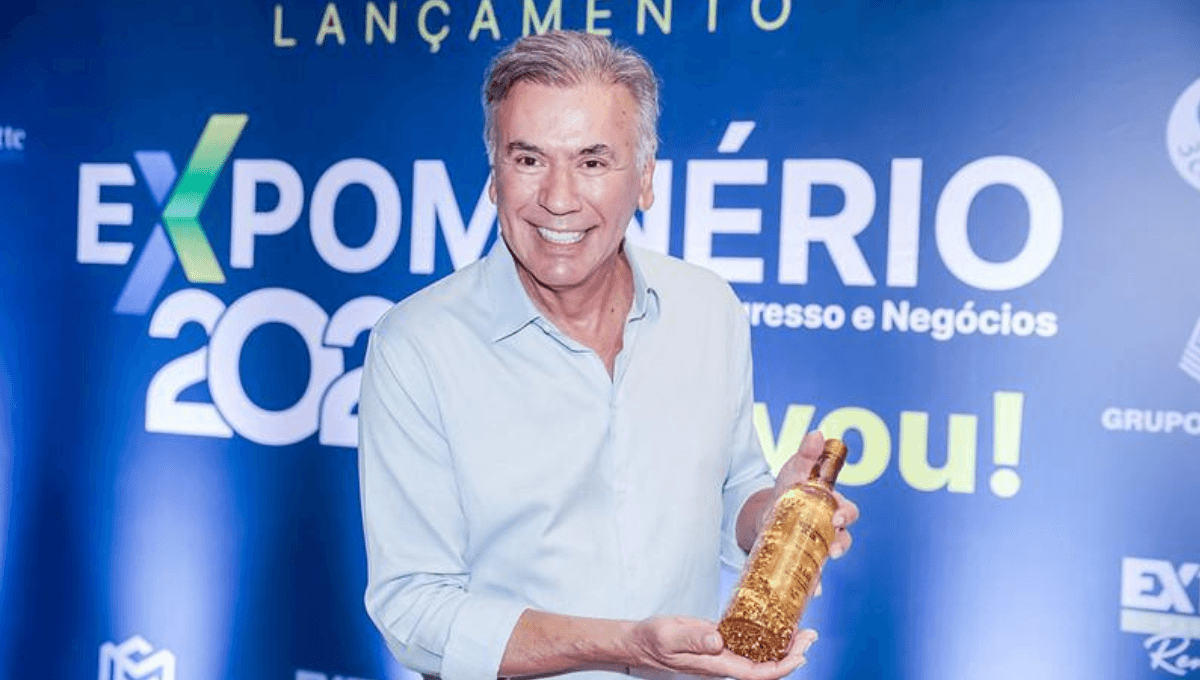
Axía Resources takes part in the Expominério 2026 launch and strengthens strategic connections for its gold project in Goiás
The company was among the guests at the event, which brought together more than 300 representatives of the mineral sector in Mato Grosso. Its participation reinforces the strategy of building ties with suppliers and partners for the future gold operation in Niquelândia (Goiás).
 News
Bom Jardim Project: AXÍA Resources presents progress in copper exploration in Goiás
. AXÍA Resources presented the latest results of the research carried out at the Bom Jardim Project, a copper deposit located in the municipality of Bom Jardim de Goiás (Goiás), during a workshop held at the Institute of Geosciences of the University of Brasília (UnB). The meeting brought together researchers from the University of Brasília, the […]
 News
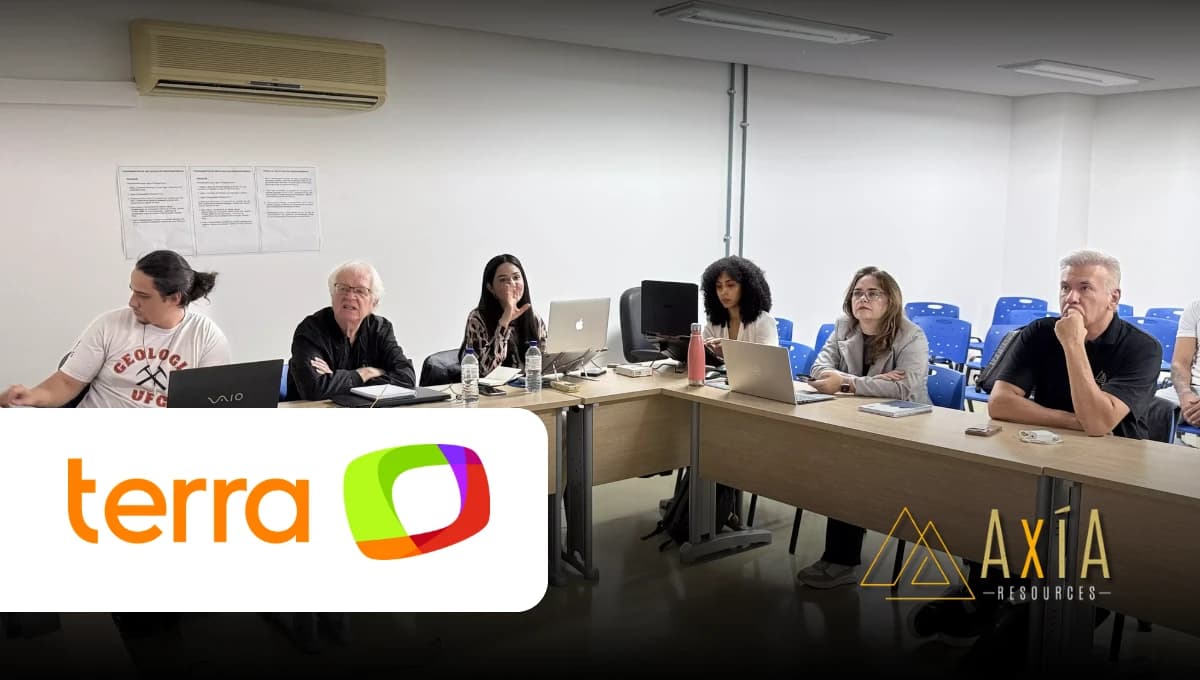
Axía Resources brings experts together at the University of Brasília to present technical progress on the BJG 2026 Project through a workshop
. On June 22, AXÍA Resources took part in a technical meeting at the University of Brasília (UnB) to present progress on the Bom Jardim Project. The initiative is the result of the partnership between AXÍA and the university, focused on developing innovative solutions for mineral research […]